
LOD Calculation Guide: Choosing the Right GC LOD Method
If you’ve ever wondered which detection limit approach you should use in your GC work, this LOD calculation guide will […]
LOD Calculation Guide: Choosing the Right GC LOD Method Read More »
If you’ve ever wondered which detection limit approach you should use in your GC work, this LOD calculation guide will […]
LOD Calculation Guide: Choosing the Right GC LOD Method Read More »
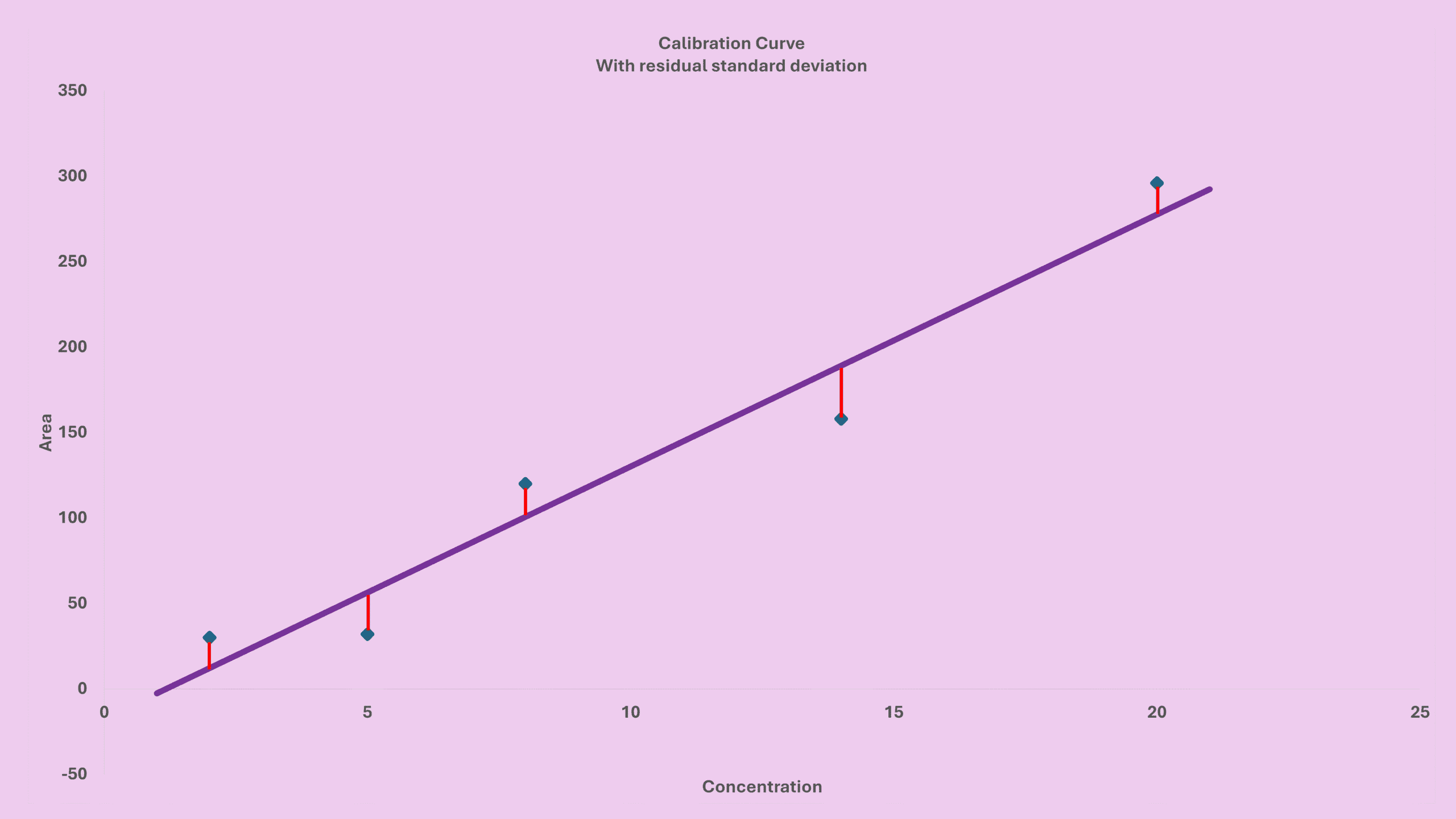
If you’ve been following the LOD series, this post will take you into the most widely accepted approach of all:
GC LOD Residual SD: Simple Detection Limit Guide Read More »
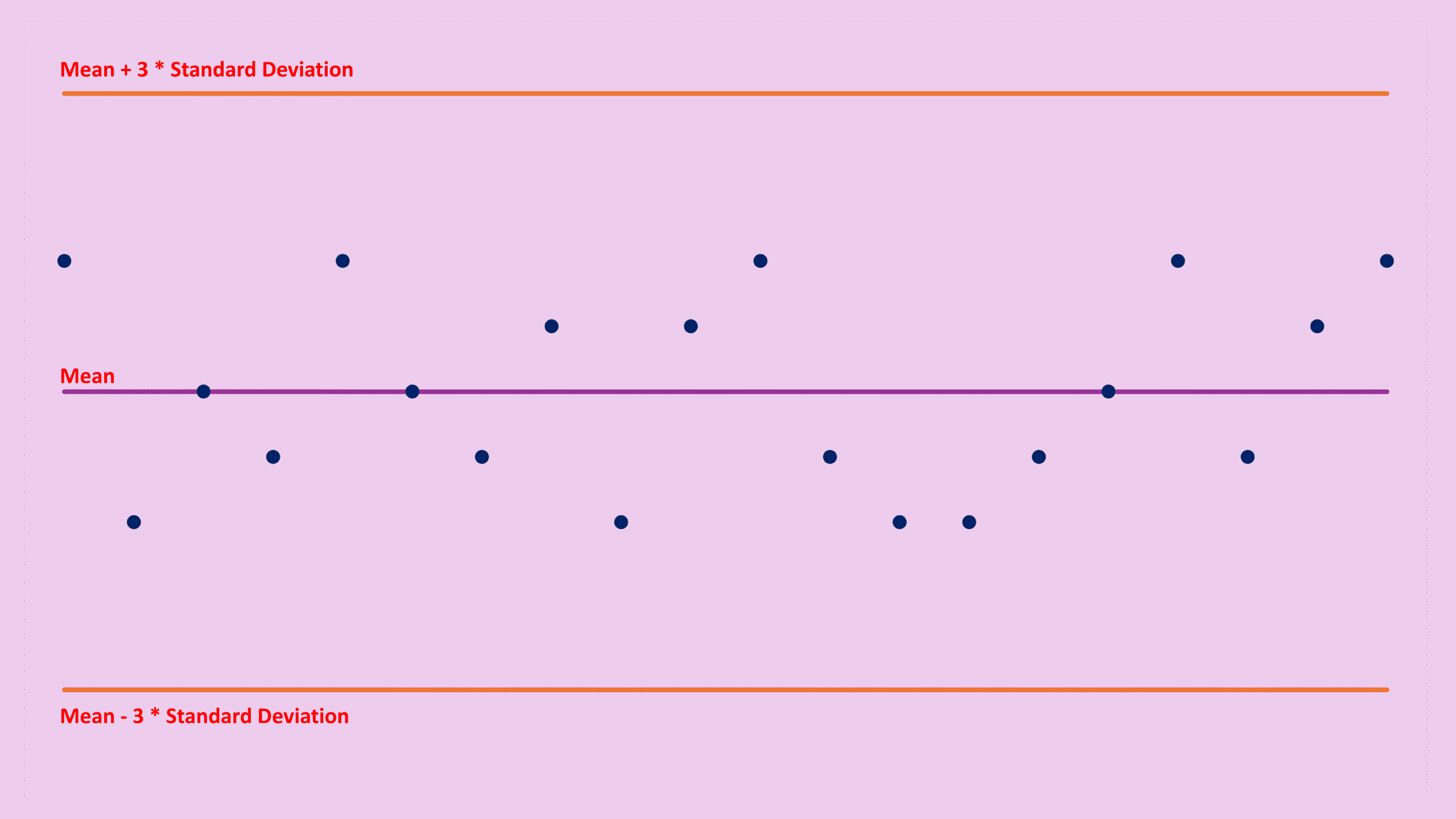
If you read the previous post on the 3×SD approach for estimating LOD, you might have wondered what to do
GC LOD Zero Blank: How to Calculate LOD When Blank Runs Have No Peaks Read More »
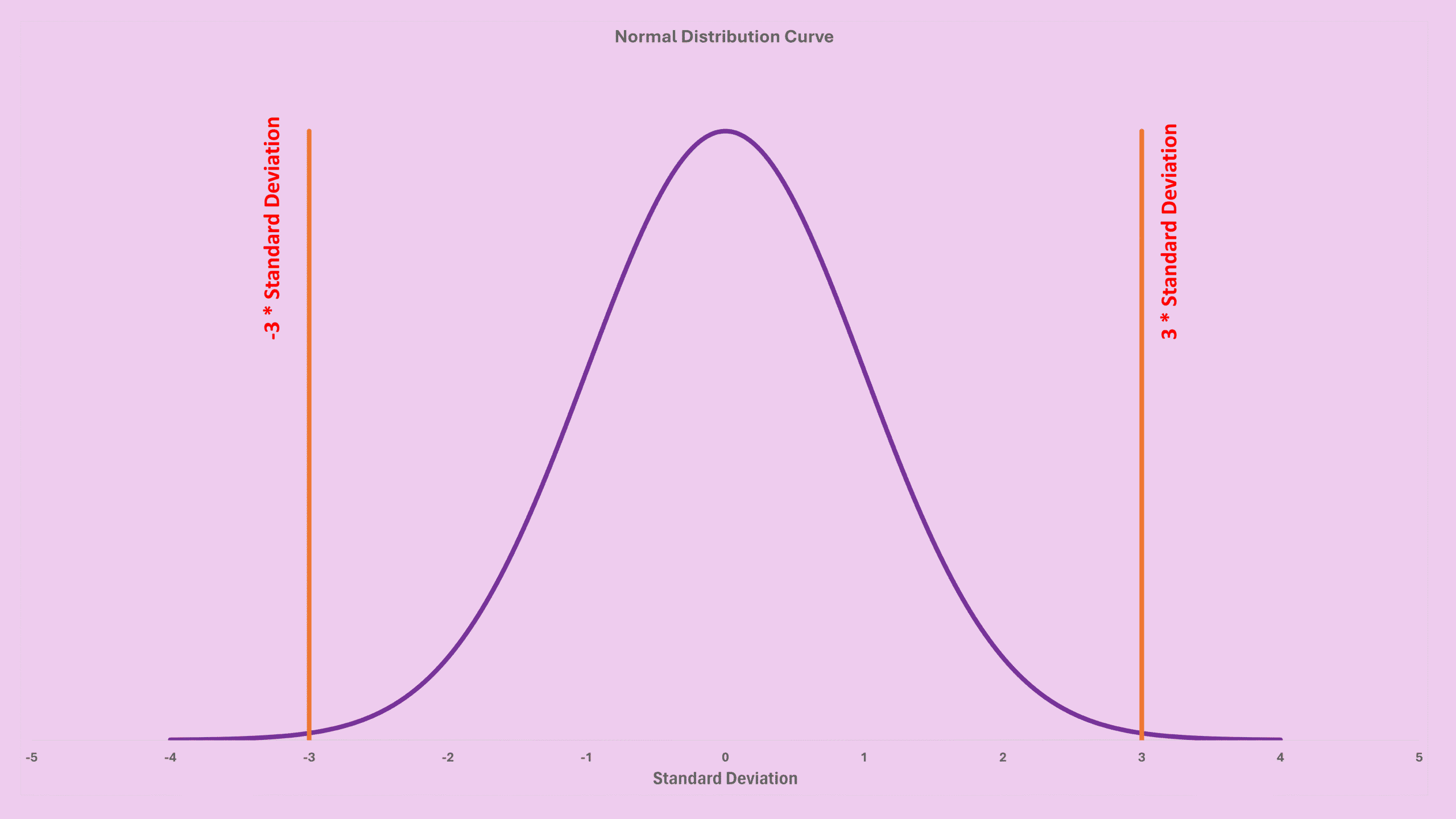
If you’ve been following the LOD series on PetroChromatics, you’ll know that we’ve already covered the simple S/N-based approaches. In
GC LOD Standard Deviation: A Clear Guide to the 3×SD Detection Limit Method Read More »
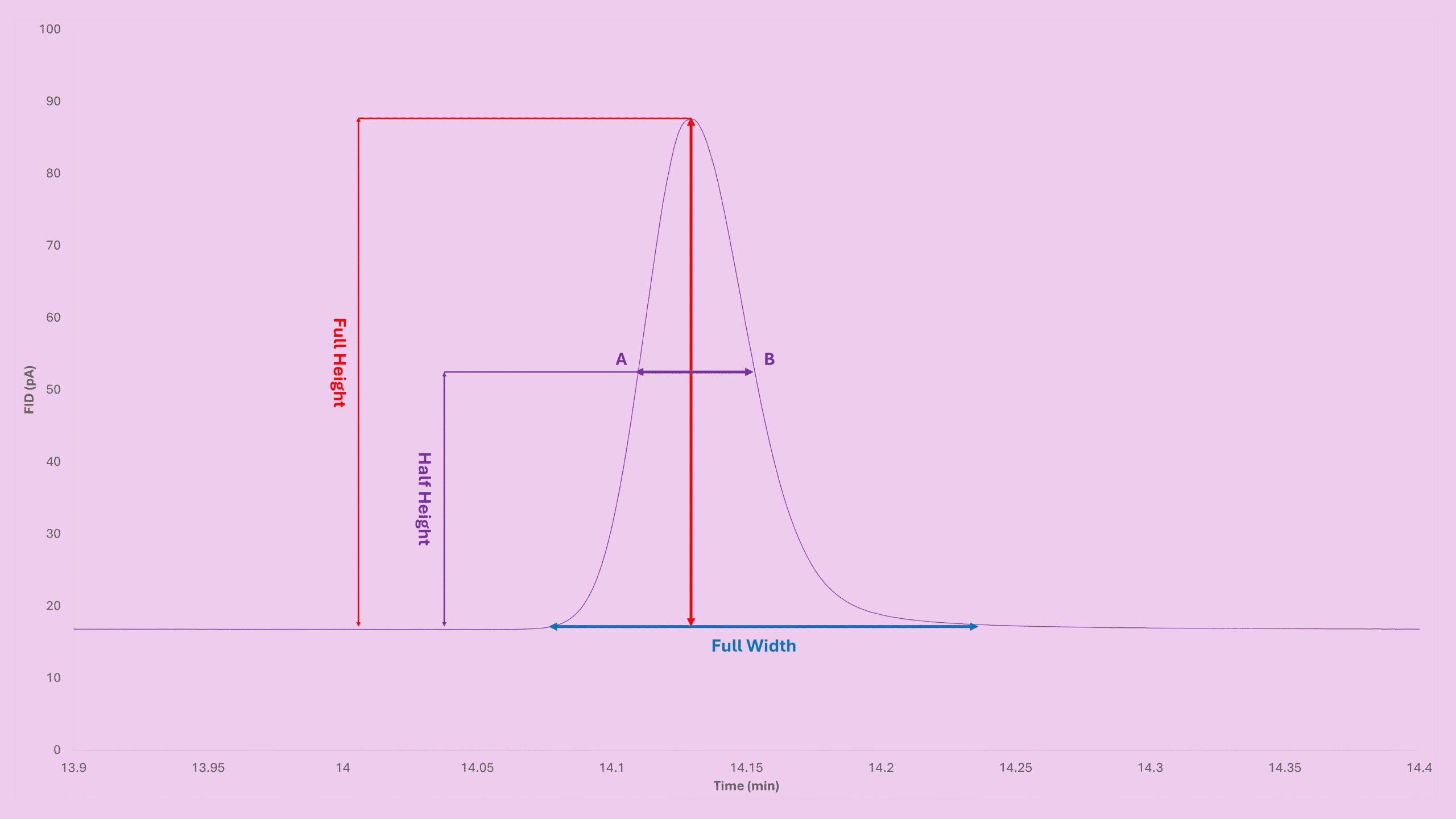
If you’ve been following along with my LOD series, you’ll remember the earlier post where I explained how to estimate
GC LOD Formula: A Simple Way to Estimate Detection Limits Using Peak Area Read More »
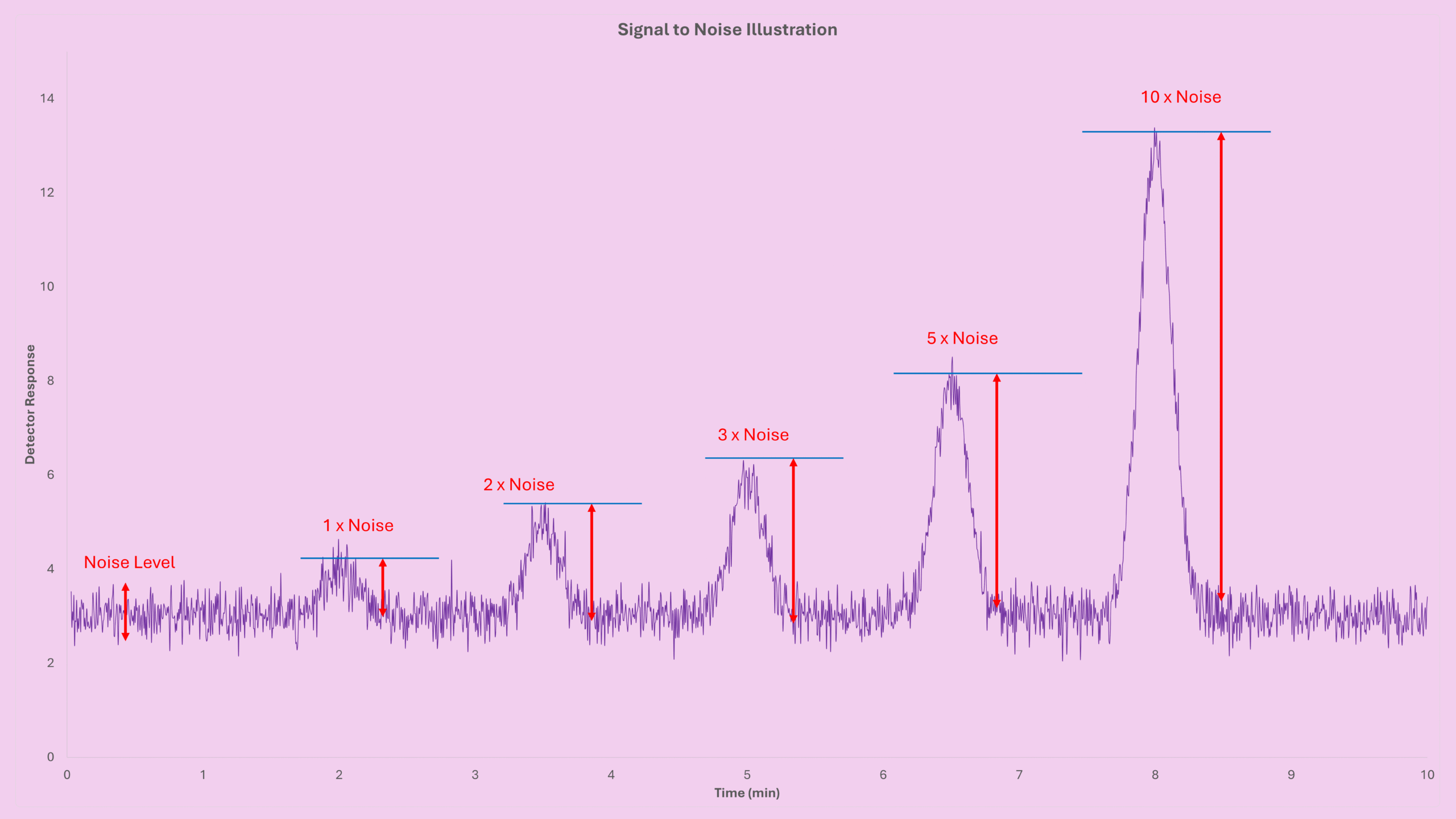
If you’ve ever stared at a tiny bump on your chromatogram and wondered whether it’s a real peak or just
GC LOD LOQ by Signal to Noise: A Friendly Guide for GC Users Read More »