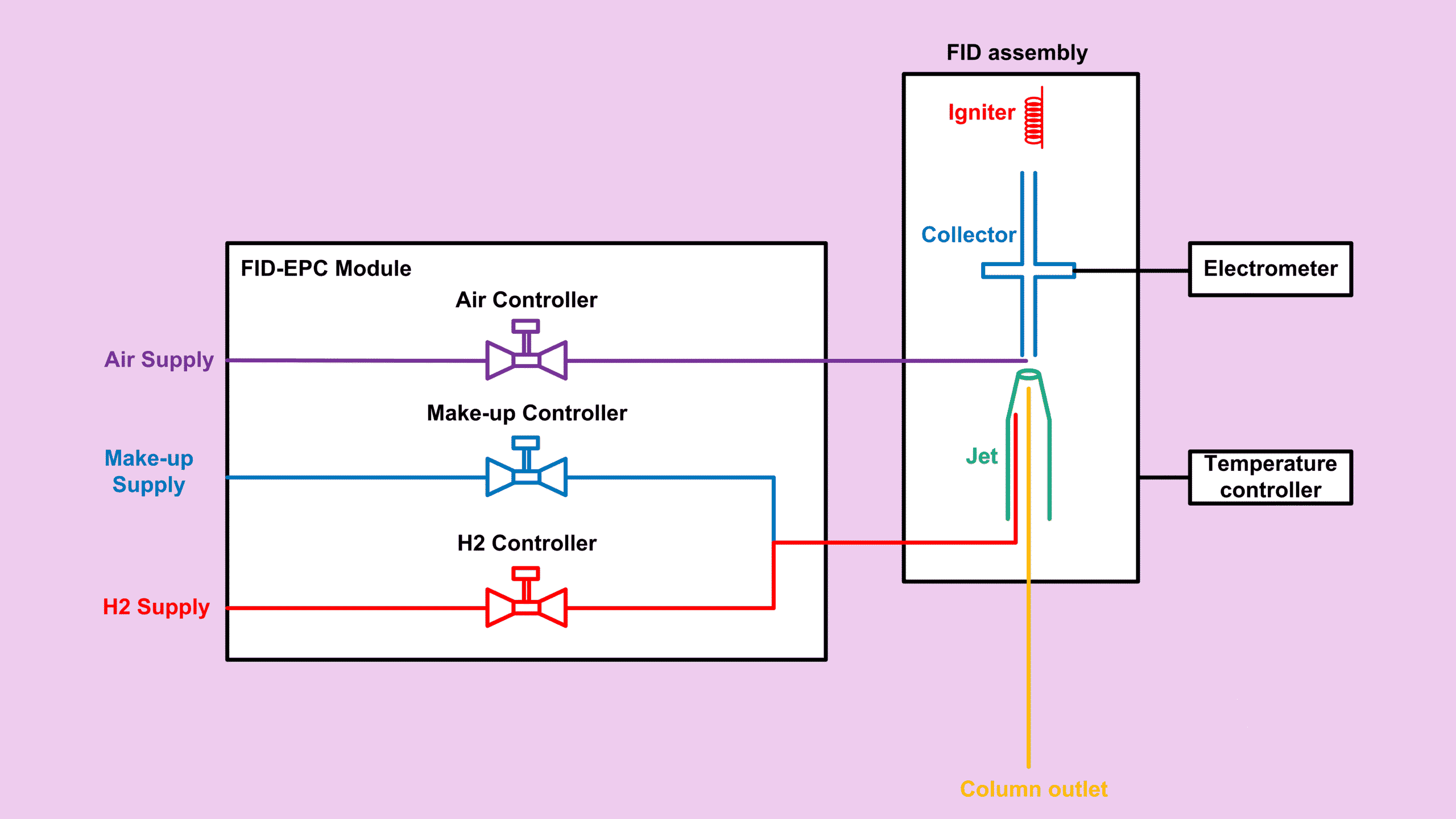

When it comes to FID Troubleshooting Guide, no manual can ever cover everything. The truth is simple: the more you work with an FID, the more unexpected situations you encounter. Therefore, this FID Troubleshooting Guide is not just another list of textbook checks. Instead, it reflects real problems I have personally faced over years of servicing.
So, don’t expect theory alone. What you’ll read below comes directly from practical experience.
Before we dive in, just to let you know that this article is part of my Flame Ionization Detector (FID) series which you can find the summary for all other posts related to FID at FID Detector: Complete Guide to the Entire FID Series.
However, before diving in, let me share one important principle.
Isolation First – The Foundation of Any FID Troubleshooting Guide
Before starting any FID Troubleshooting Guide, always perform isolation.
Unless you are absolutely certain that upstream components — such as columns, inlets, or valves — are in perfect condition, remove the column and plug the FID inlet. That way, if the problem persists, you know the issue lies inside the detector itself.
Too often, users start guessing. Unfortunately, guessing wastes time. Isolation gives you clarity immediately.
Why Does the FID Fail to Ignite? – FID Troubleshooting Guide Cases
Flame ignition failure is one of the most common topics in any FID Troubleshooting Guide. However, the causes vary widely.
1. Hydrogen Supply Was Turned Off
Sometimes the GC sits idle for weeks. For safety reasons, hydrogen gets shut off.
When restarting, turning hydrogen back on is not enough. The line must fill and purge through the detector.
What I normally do:
- Turn off flame ignition
- Manually turn on H₂ flow
- Purge for 10–20 minutes
- Lift detector cover if needed for safety
After purging, ignition usually works.
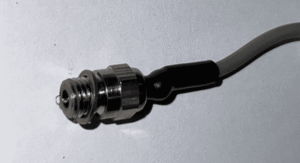
2. Ignitor Not Glowing Bright Enough
Over time, the ignitor coil corrodes. As a result, it may not glow sufficiently to trigger ignition.
First, visually inspect it.
If you’re not ready to replace it, you may:
- Remove the washer
- Carefully pull the coil slightly outward
This brings the coil closer to the H₂/air mixture and often solves the issue. However, be careful — the coil can break easily.
3. Incorrect Gas Flows
Incorrect flow is another frequent case in this FID Troubleshooting Guide.
In several cases, moisture entered hydrogen or compressed air lines. Consequently, EPC restrictors became partially clogged.
Here’s what you should measure at the FID outlet using a flow meter:
- H₂: ~35 mL/min
- Air: ~350 mL/min
- Make-up gas: ~15 mL/min
Make-up gas is optional. Therefore, if it’s unstable, you can disable it in the method.
Once corrected, save the updated setpoints.
4. Excessive Column Flow
This happens often with 1/8 inch packed columns.
Too much column flow makes ignition difficult. To fix it, you can:
- Reduce column flow before ignition
- Increase hydrogen flow
- Remove washer from ignitor
- Extend ignitor coil slightly
I have tried all these methods successfully.
FID Baseline Is Wavy – Another FID Troubleshooting Guide Scenario
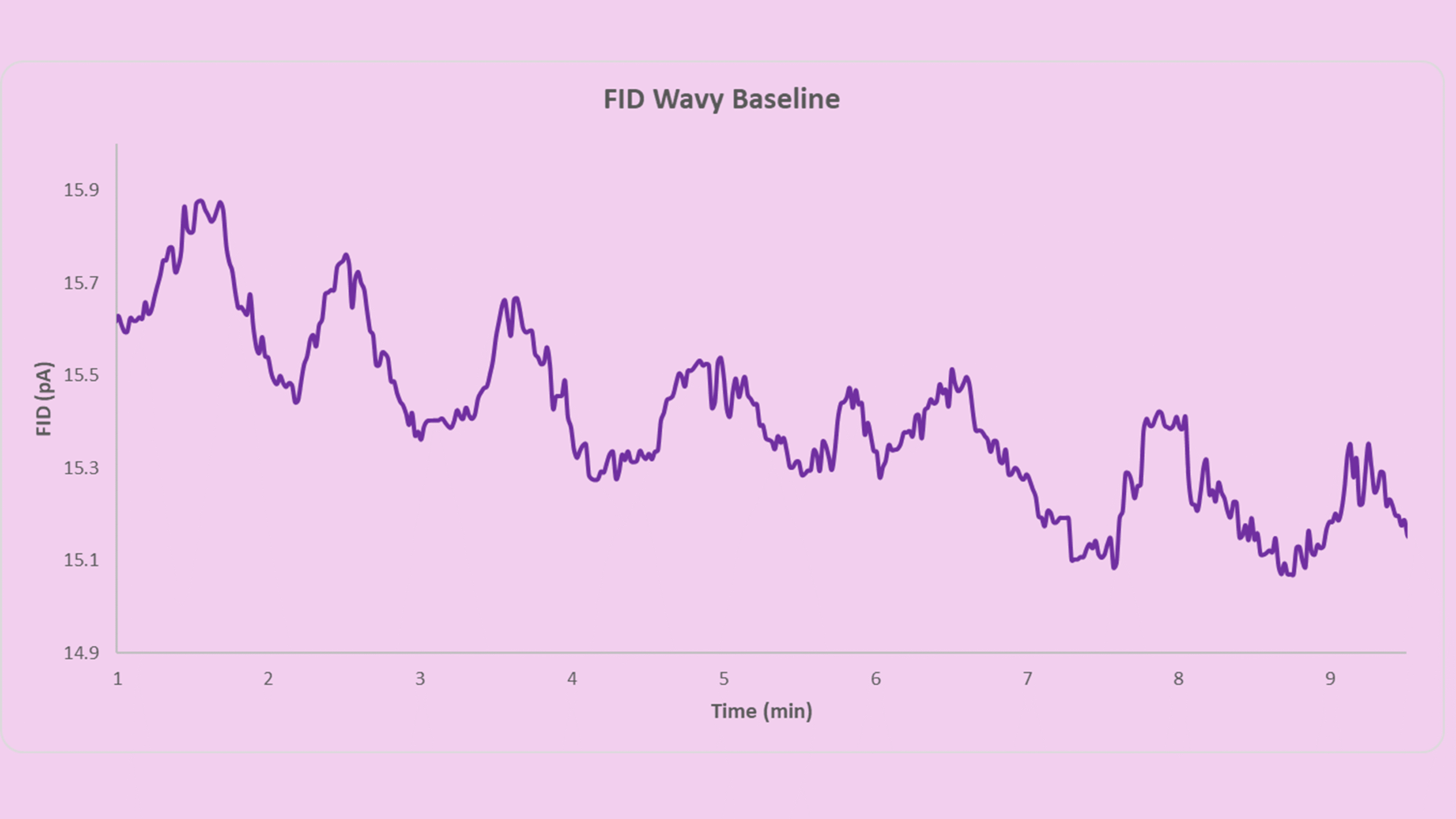
A wavy baseline while the flame is lit can be frustrating.
First, check whether gas supplies are shared with another GC.
In one case I encountered, both GCs showed the same wavy baseline. That pointed to a common source. The real issue? No hydrocarbon filters installed on hydrogen and air lines.
After installing proper filters, the baseline stabilized.
High Oven Temperature Case
In another situation, waviness appeared only at high oven temperatures.
The column end near the FID inlet had developed a small crack. As the oven fan blew hot air toward the crack, it disturbed the flame stability.
The solution was simple:
- Trim the damaged section
- Reinstall the column
Problem solved.
High Baseline Even When Flame Is Off – Rare but Costly
This one surprised me.
The baseline remained high even when the flame was not lit. That is rare, but it can happen.
In my case, I reinstalled the jet while the detector body was still hot. As a result, the threads were damaged, and the jet did not seat properly.
Because the jet touched the detector body, current leakage occurred. That leakage appeared as signal output even without flame.
Unfortunately, the entire assembly had to be replaced.
Expensive lesson learned:
Always cool the FID to room temperature before servicing.
Key Takeaways
- Isolation should always start any FID Troubleshooting Guide process.
- Hydrogen purging often solves ignition failure.
- Ignitor condition directly affects flame stability.
- Gas contamination can cause baseline waviness.
- Never service a hot detector body.
Continue Exploring
If you regularly operate GC-FID systems, this FID Troubleshooting Guide will save you hours of guessing and unnecessary part replacements.
Meanwhile, you may be interested in checking out the following FID posts: